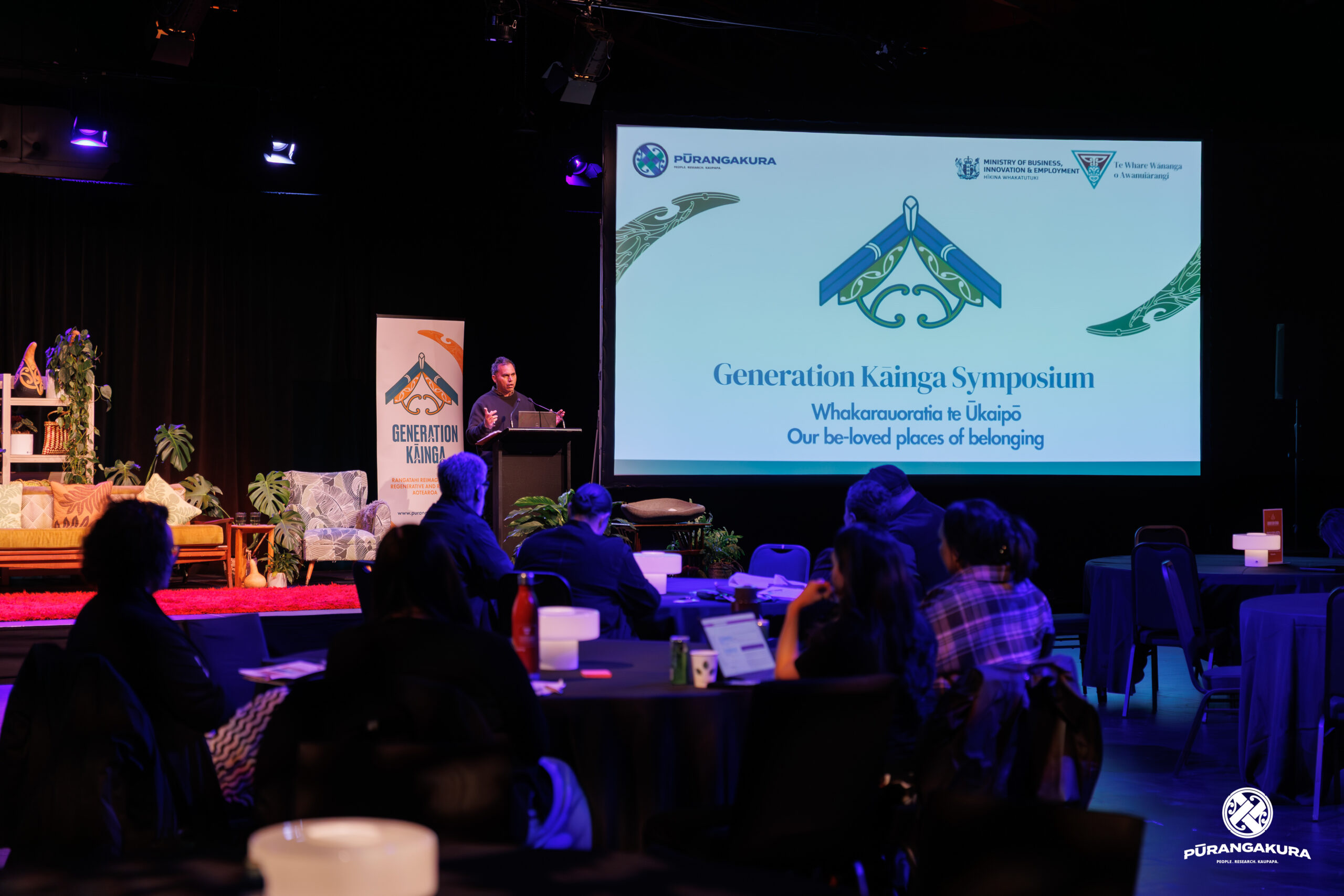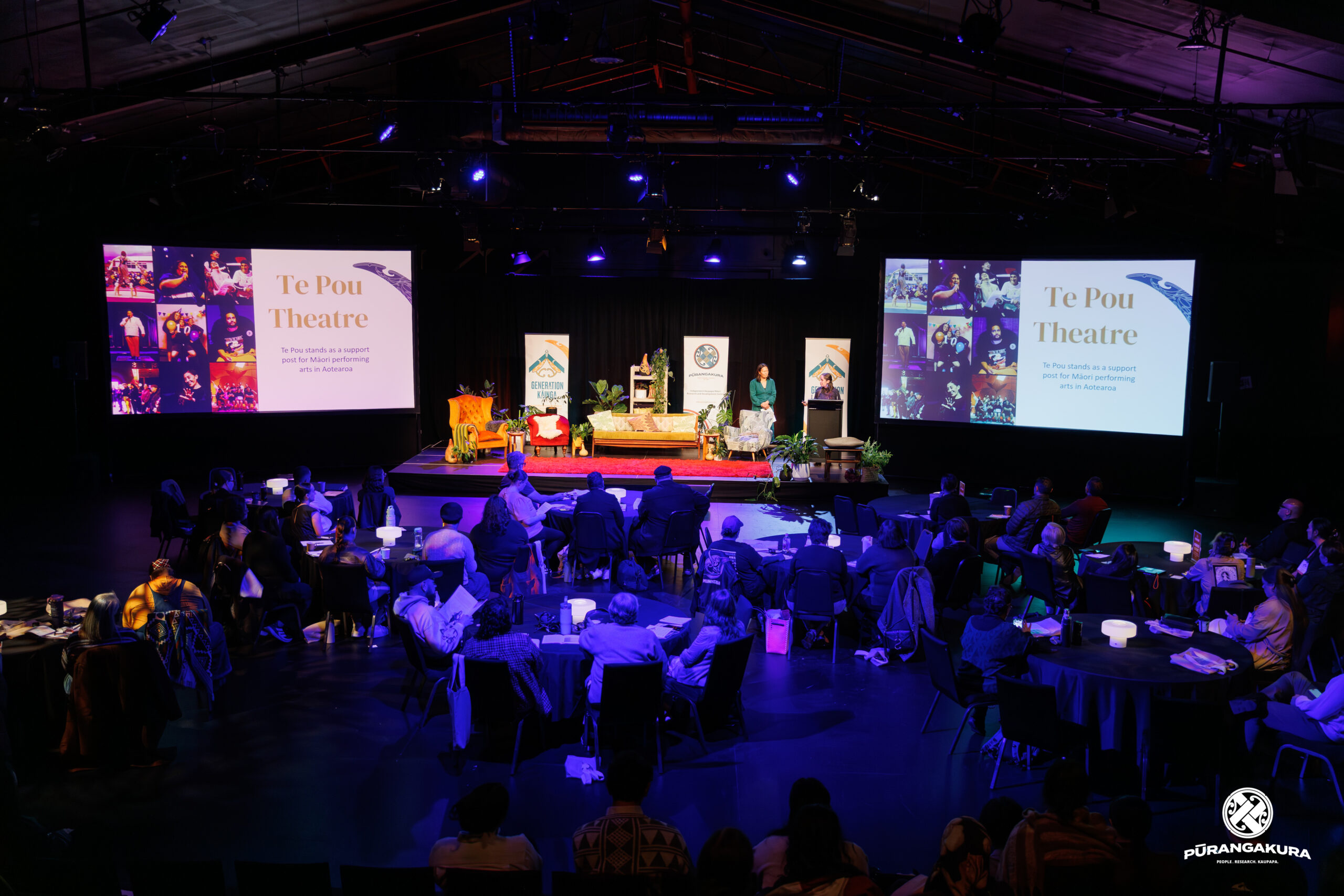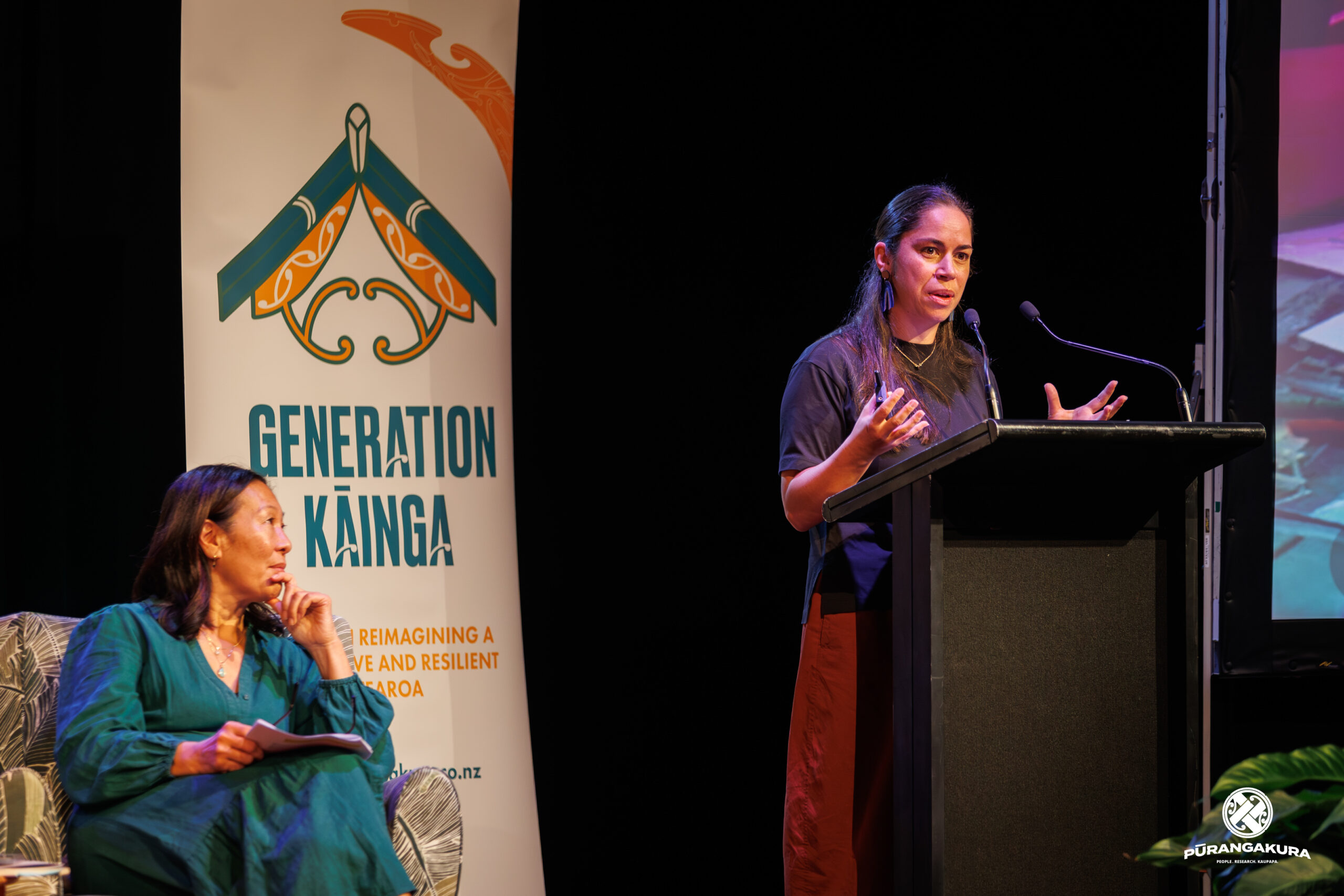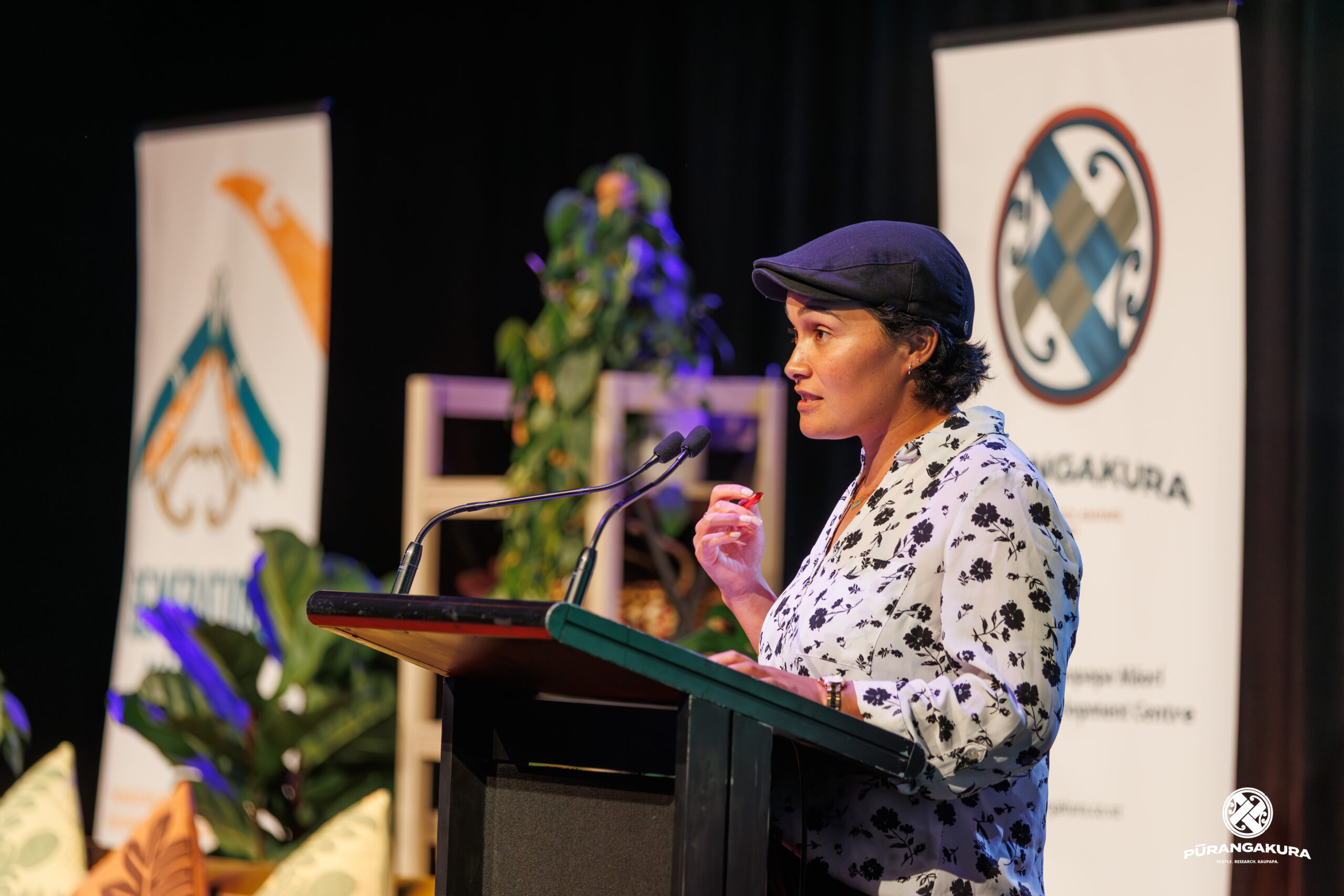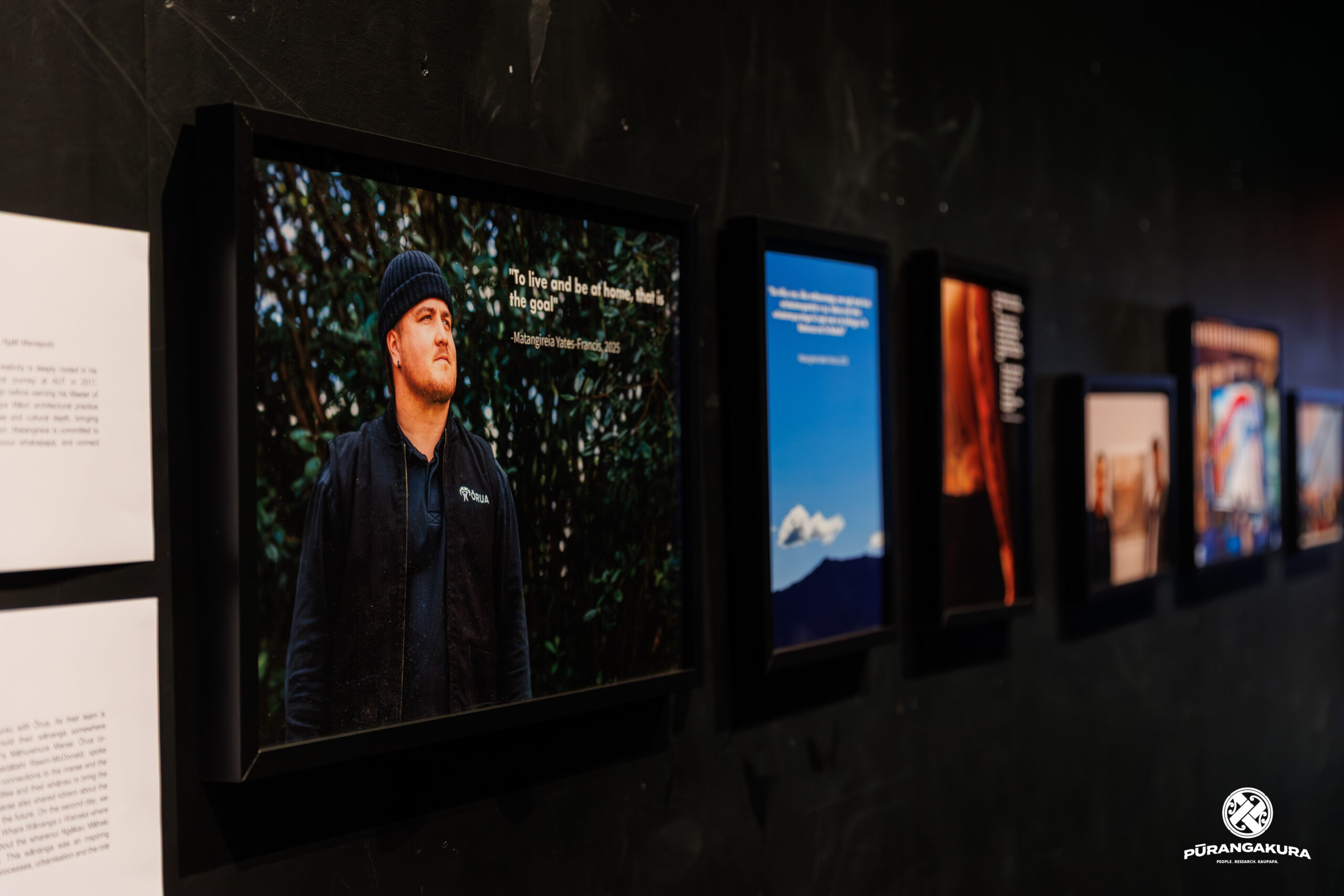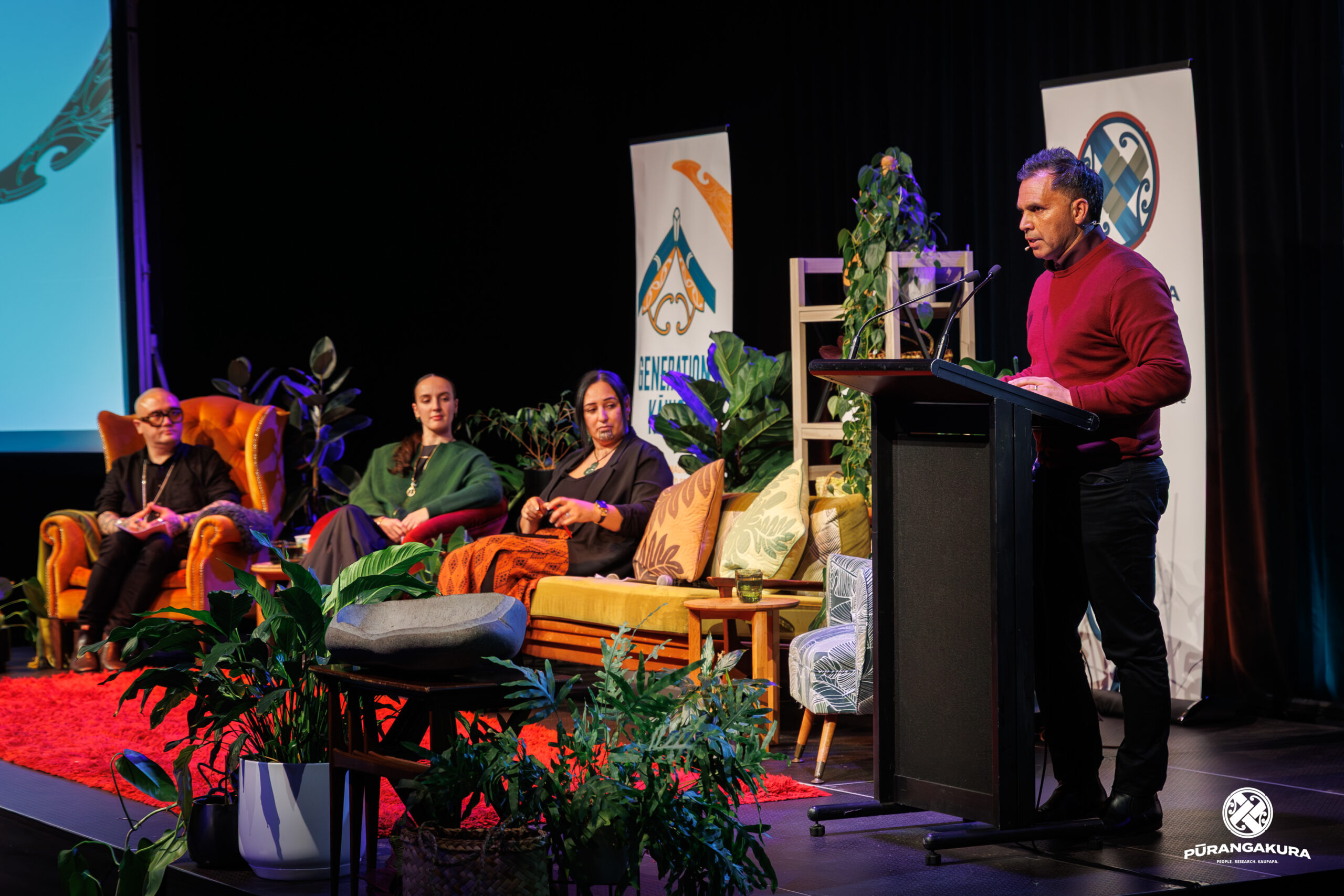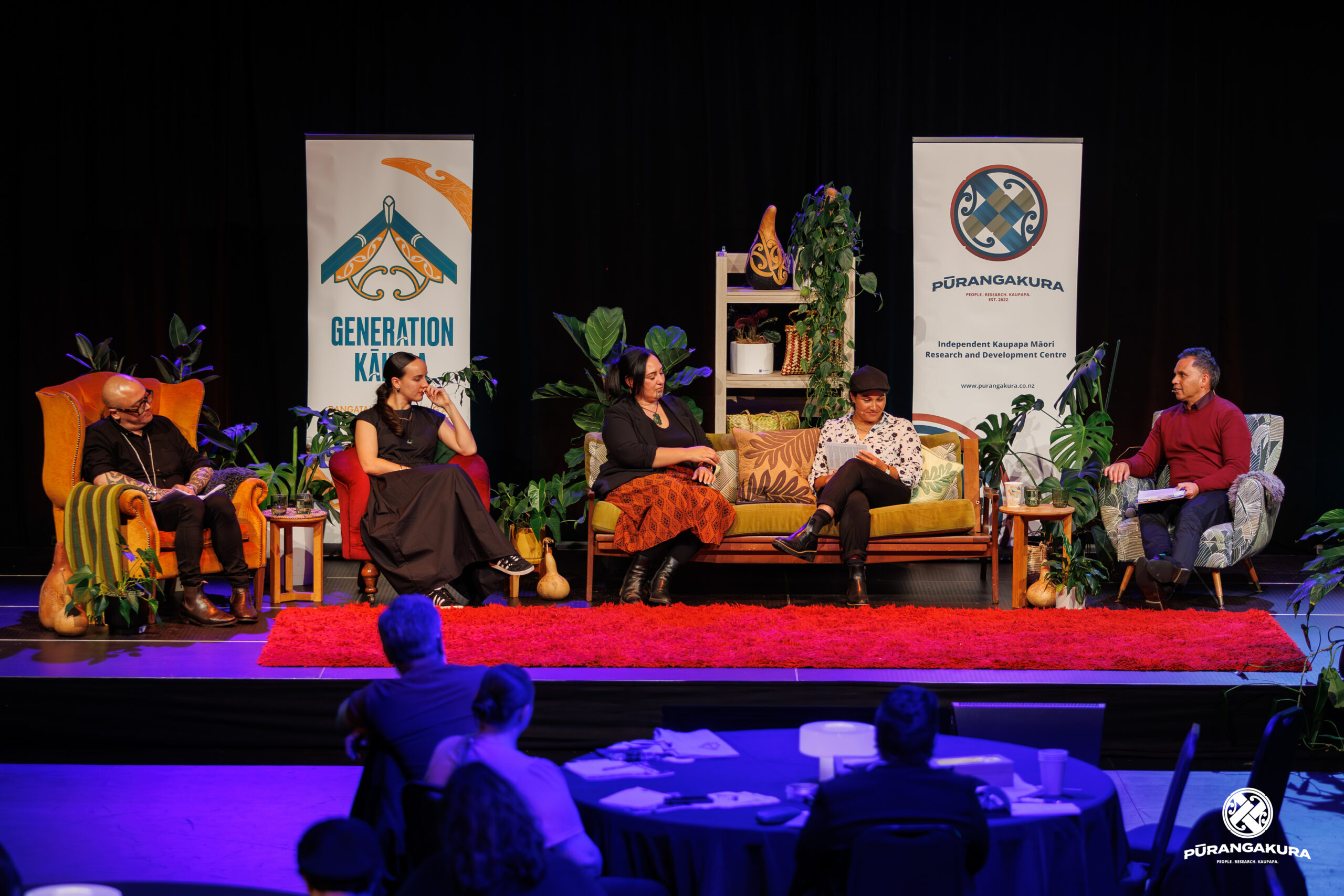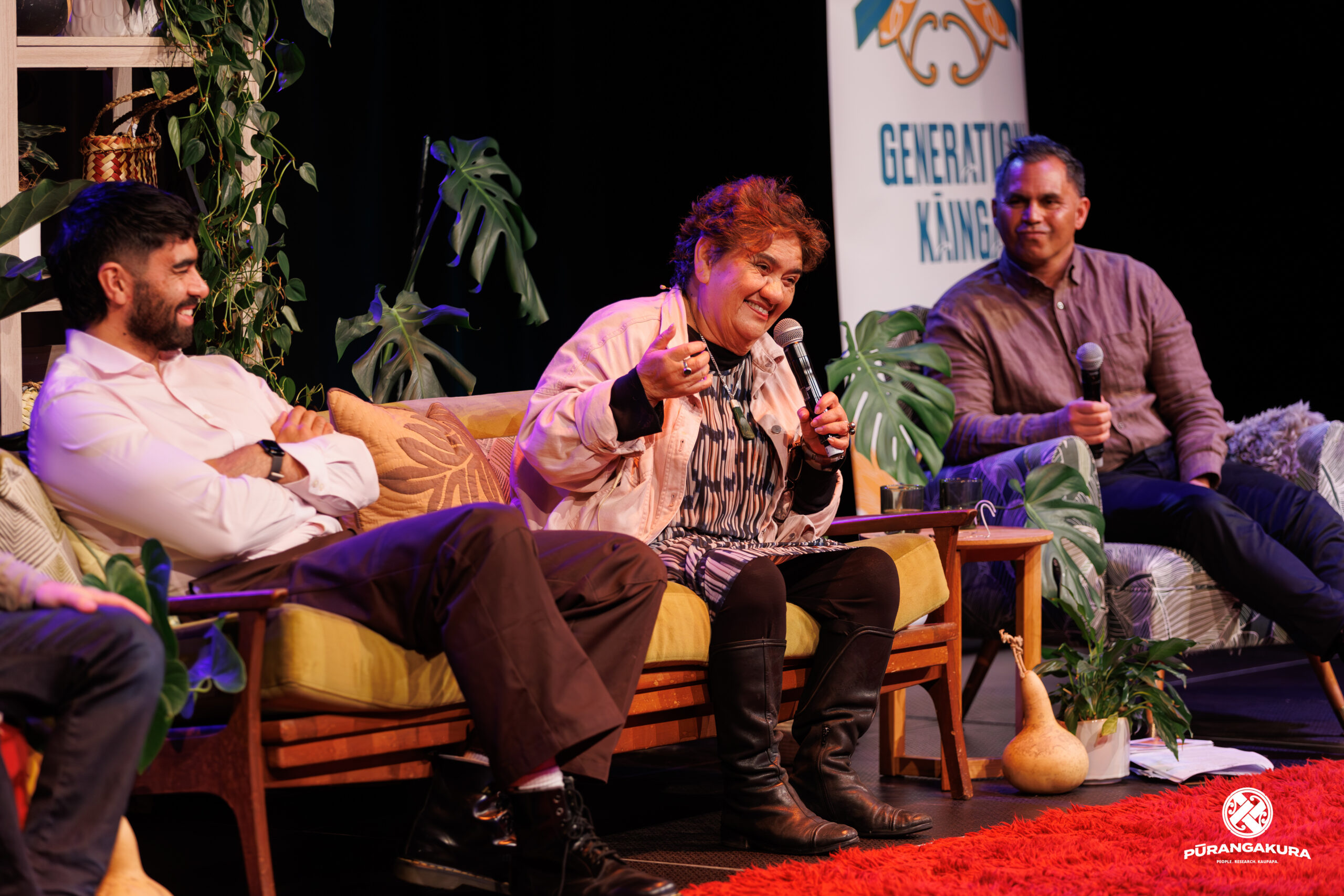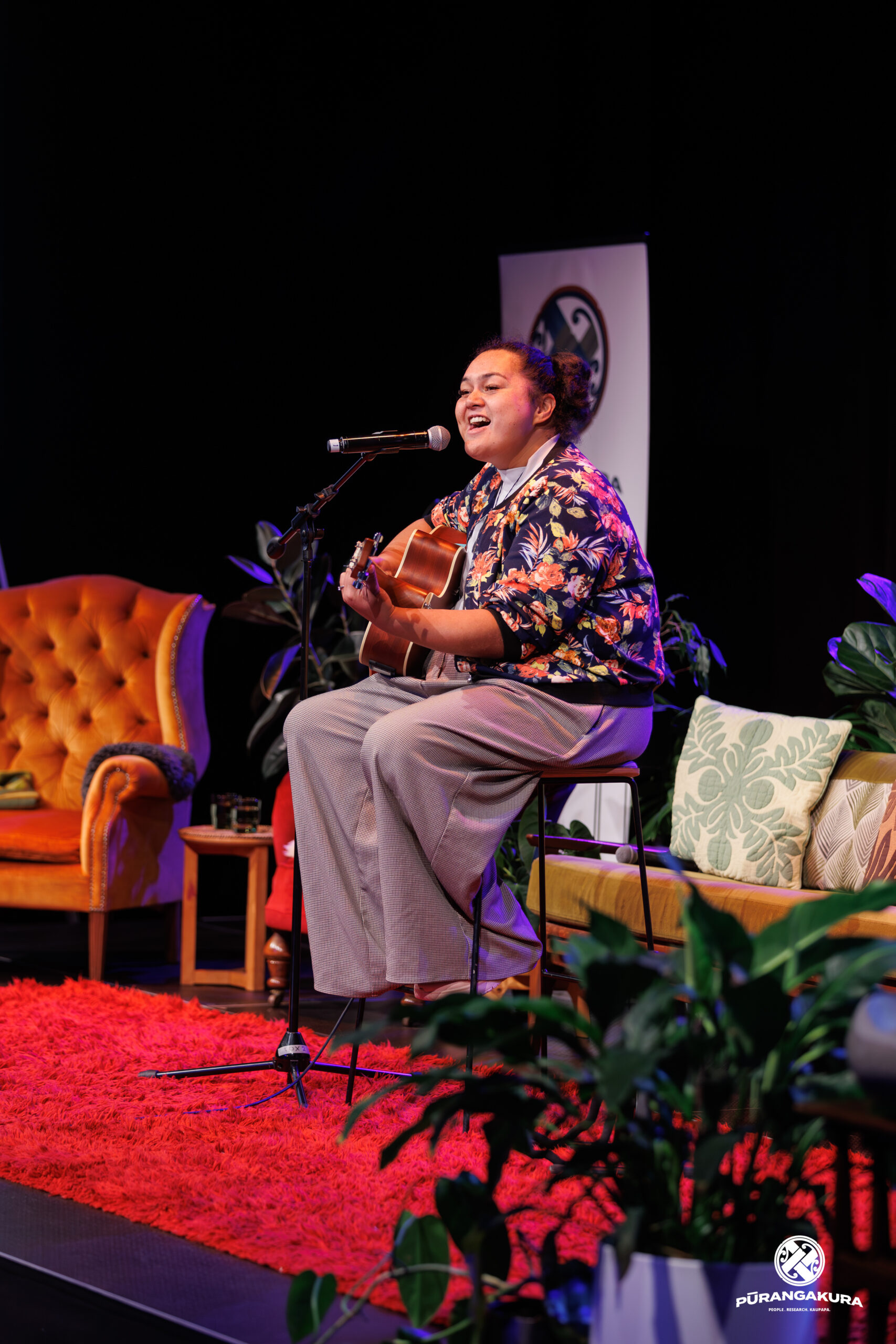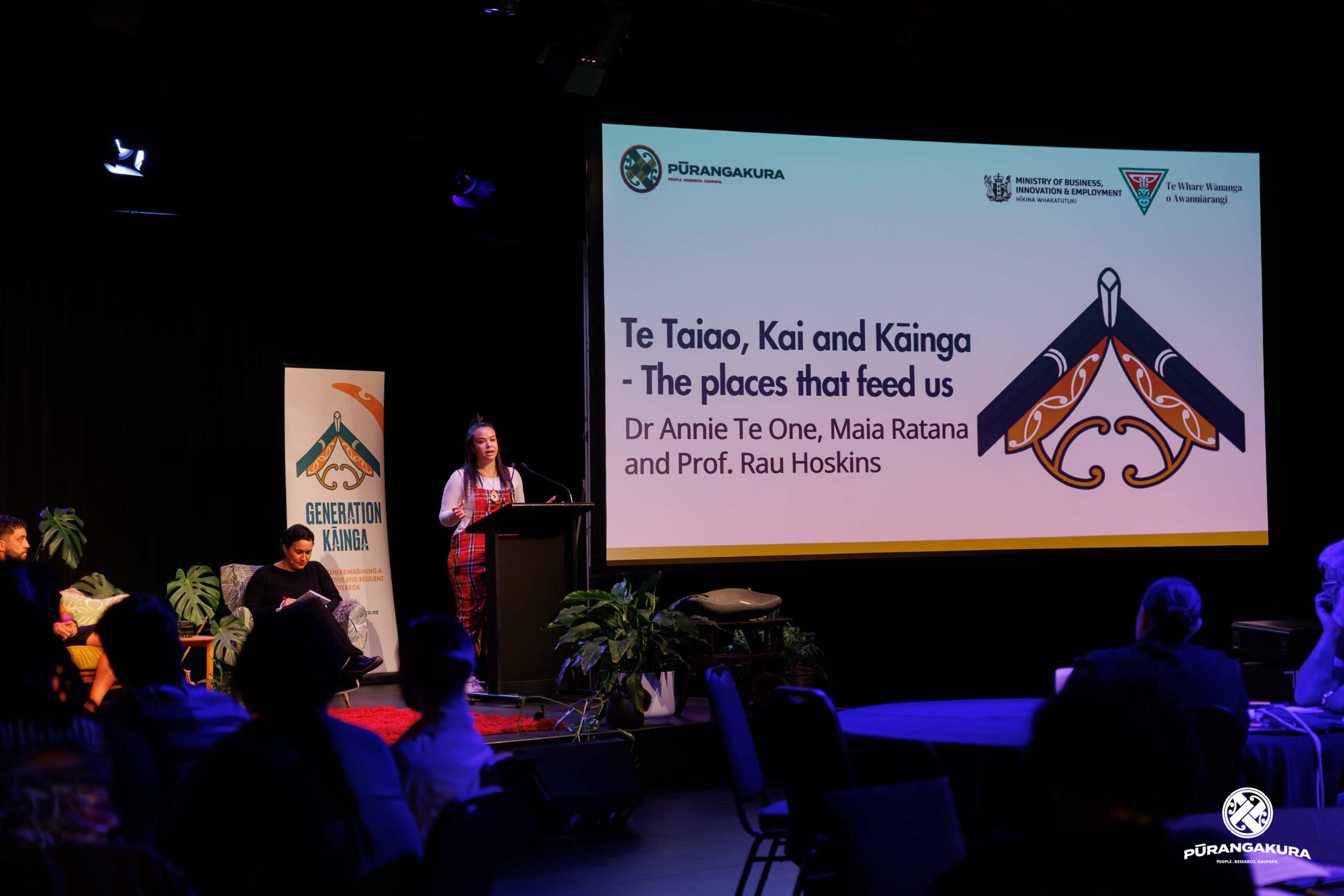
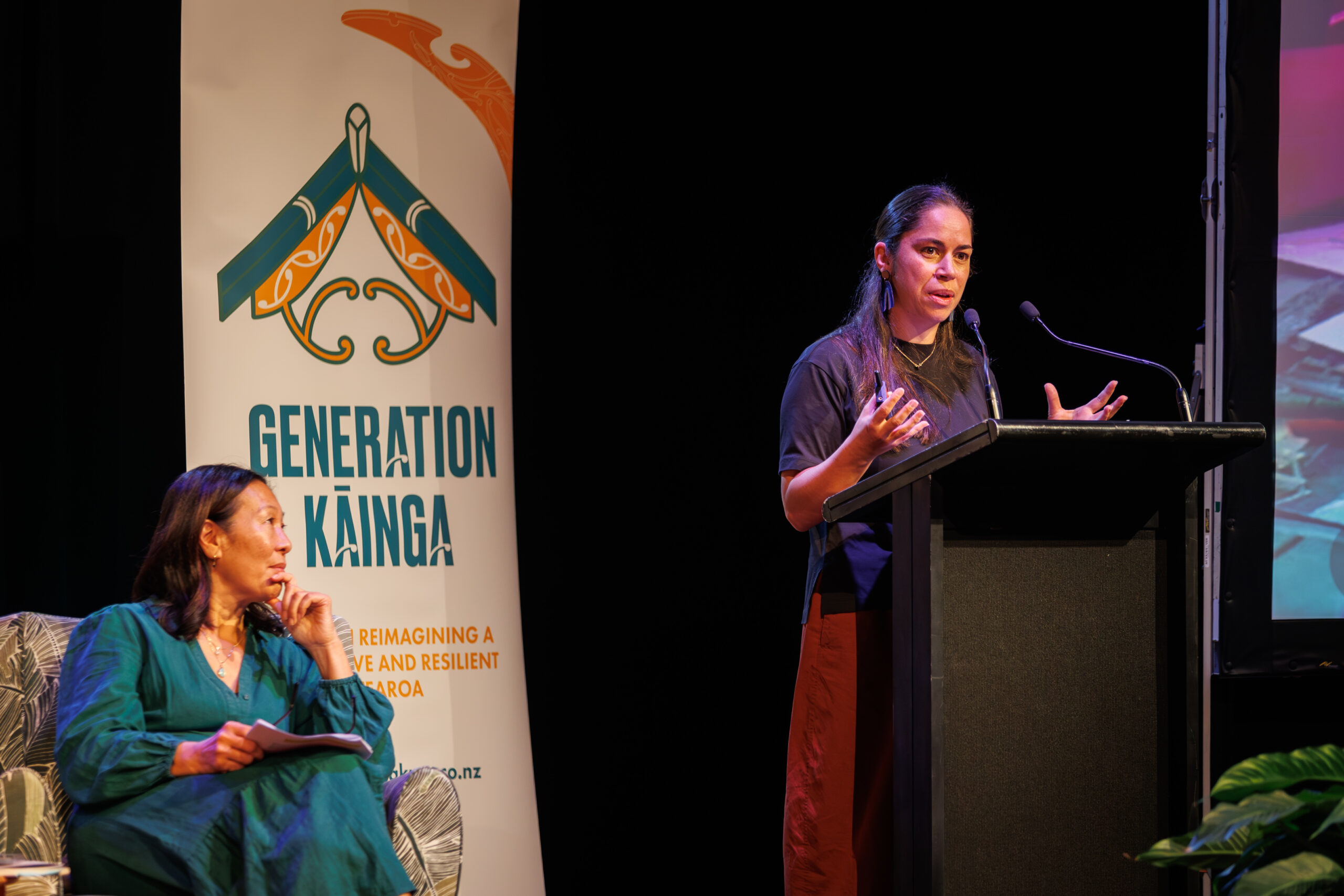
Pūrangakura was excited to host the Generation Kāinga research symposium (3-4 June), a capstone event for the four-year MBIE Endeavour Fund project at Te Pou Theatre, Corban Estate Arts Centre in West Auckland. Guided by the theme "Whakarauoratia te ūkaipō – our beloved places of belonging", the symposium brought together a large multi-disciplinary research team, invited speakers and rangatahi voices to share key findings from across the project.
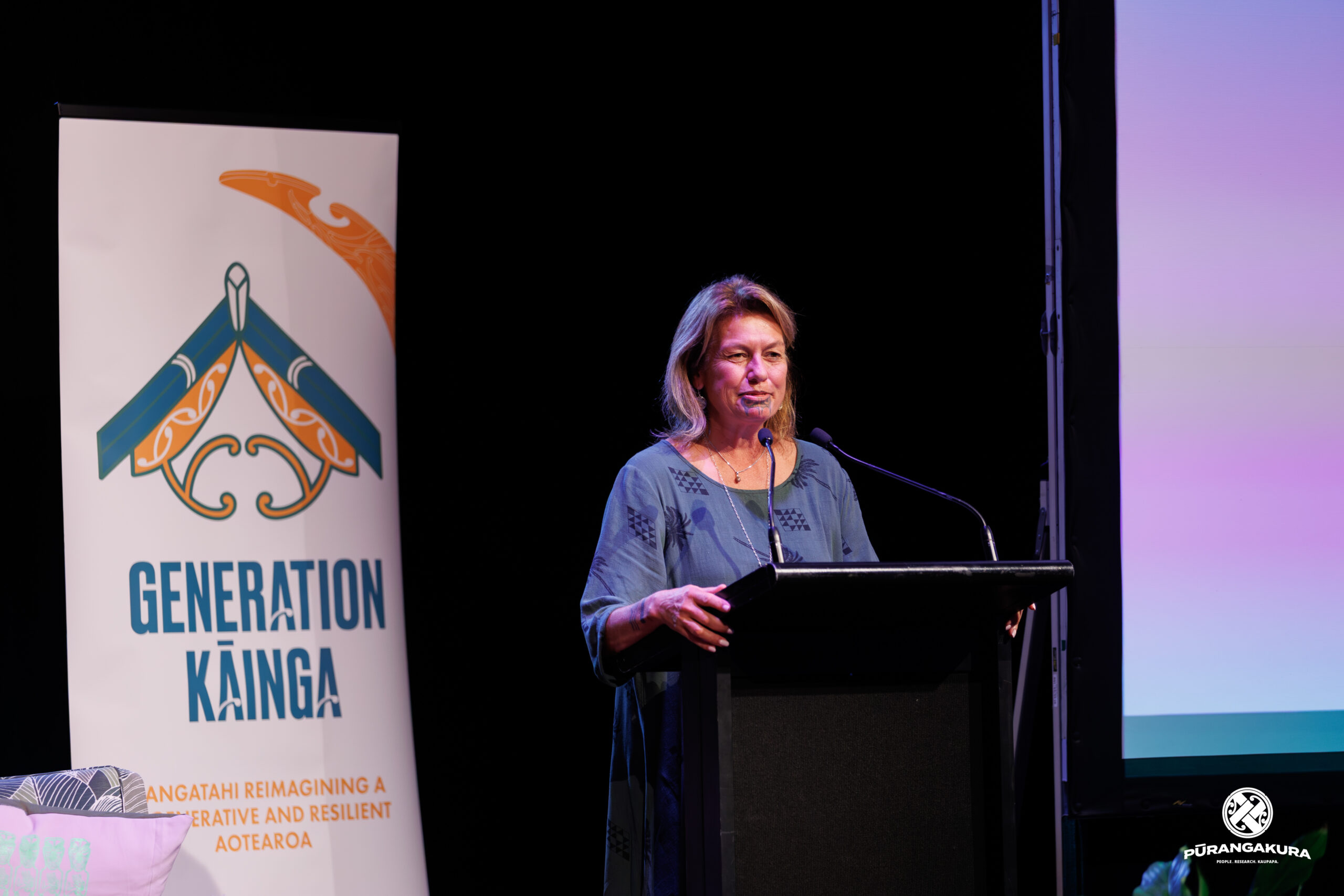
Project leads Professor Jenny Lee-Morgan and Maia Ratana opened the symposium by introducing Kaupapa Ūkaipō as both the organising framework for the Generation Kāinga research findings and a theory of change to support rangatahi and whānau in exercising mana motuhake as a pathway to kāinga. Presentations from the research team were then structured around the kaupapa Ū-Kai-Pō: nourishment, abundance, and reimagined legacies, with each session opened by an invited speaker reflecting on the theme.
The symposium featured four invited speakers whose presentations framed and enriched the research findings. Eru Kapa-Kingi opened the first session with a focus on mana motuhake, sharing his reflections on what it means in the present context, particularly for rangatahi, drawing an important distinction between mana motuhake and Western notions of power, and mana mokemoke, the kind of power that isolates people from others.
Pania Newton then shared powerful insights about Ū and what it means to hold fast to whakapapa, whenua, and whānau, drawing on her experiences of activism and leadership at Ihumātao. Emeritus Prof. Ella Henry offered a broad economic and historical analysis, highlighting the significance of Māori in the contemporary economy (currently around $32B per annum) and reminding us that rangatahi remain among our most vulnerable whānau.
Te Wehi Graham Ratana, an advocate for Indigenous justice, offered a thoughtful perspective on reimagining the ways we live and can transform the futures of our communities. Prof. Jenny Lee-Morgan and Rosa Hibbert-Schooner, from Pūrangakura, introduced the final theme of Pō as a site to reimagine legacies, to dream, and to embrace a decolonial mindshift.
A highlight of the first day of the event was the official launch of the Gen K Charitable Trust, a significant milestone marking the project's commitment to lasting impact beyond the life of the research. The Trust will be dedicated to continuing to advance kāinga solutions for rangatahi, carrying forward the insights and momentum generated by the Generation Kāinga research project to ensure its findings translate into real, enduring change for whānau.
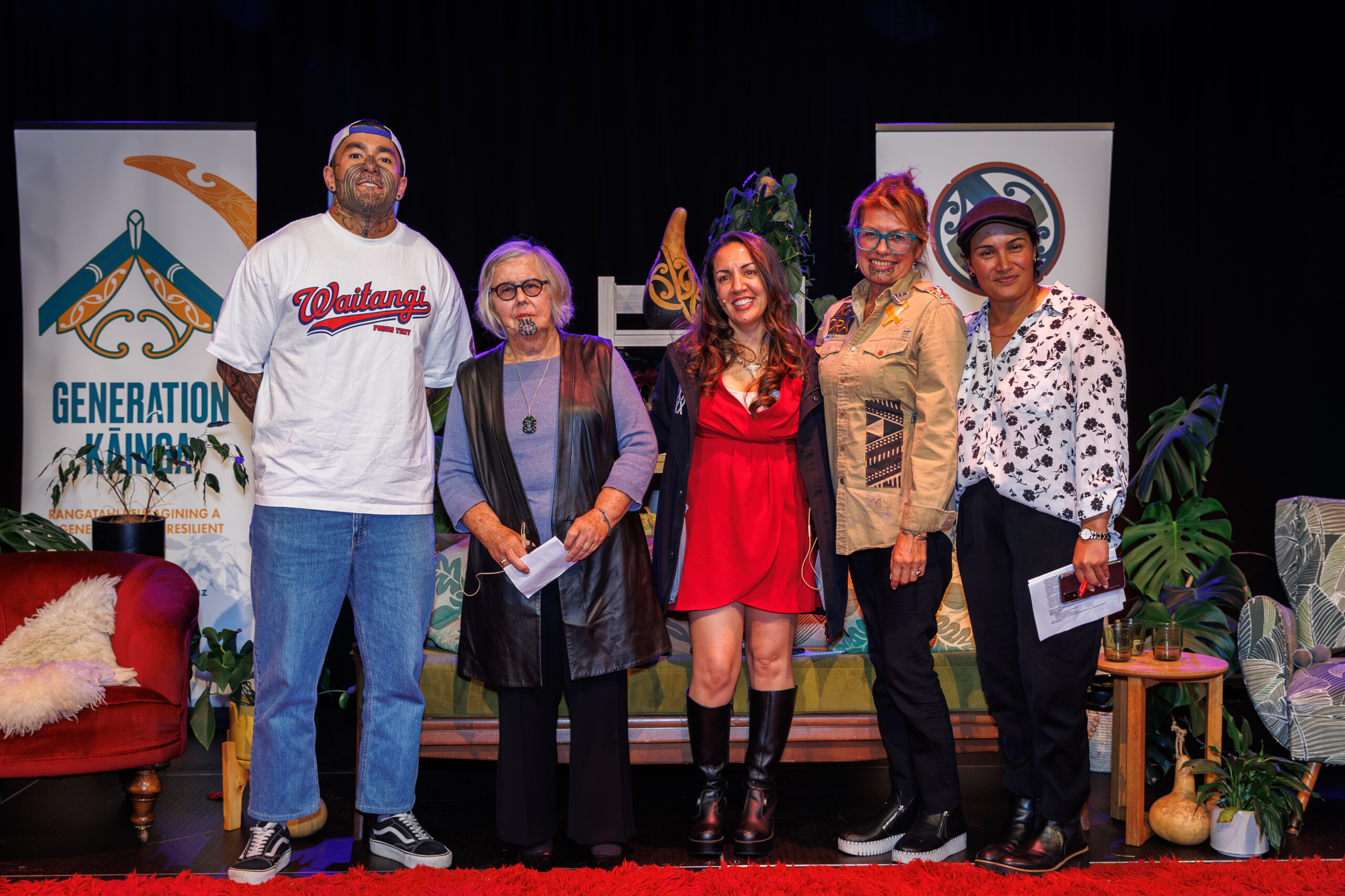
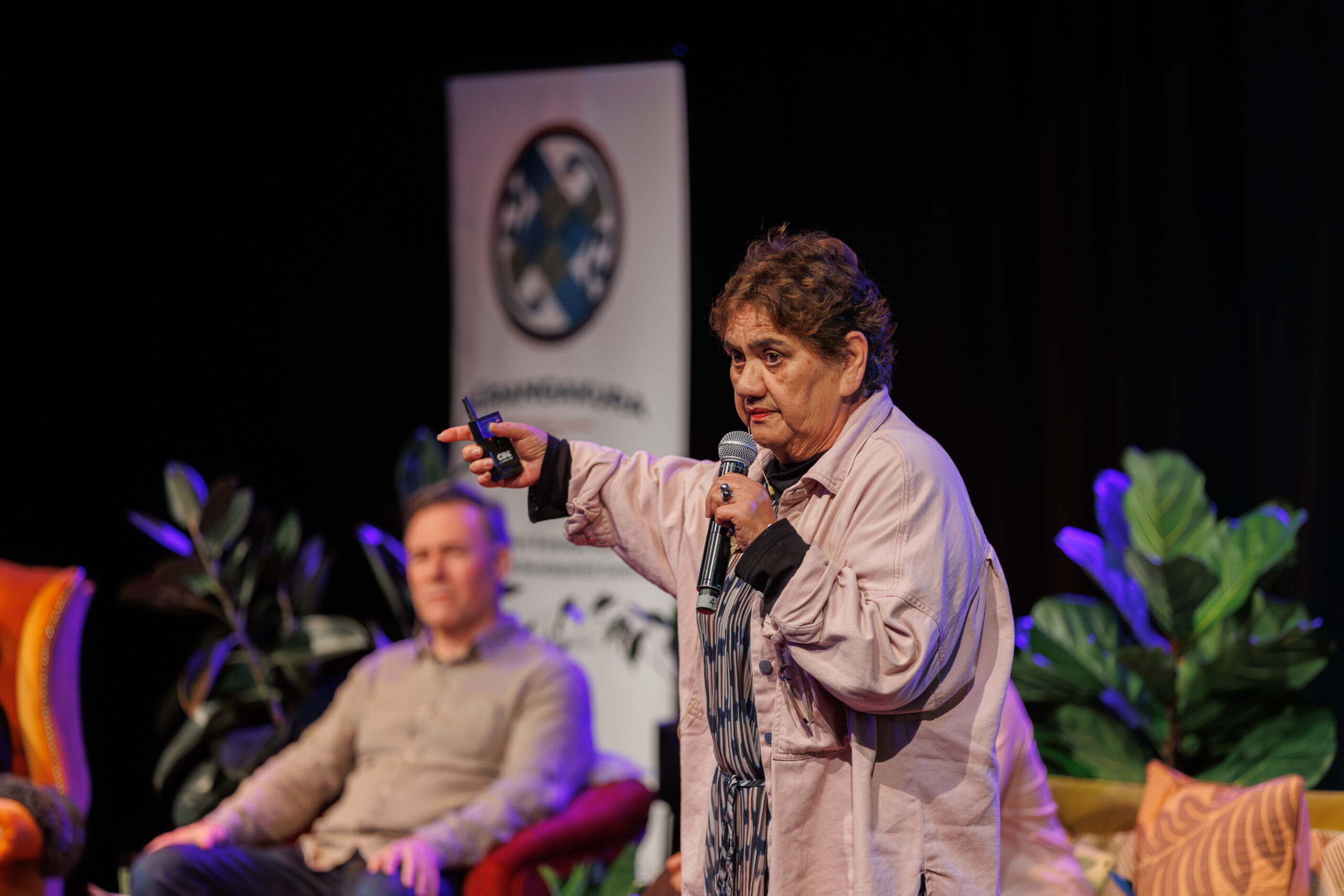
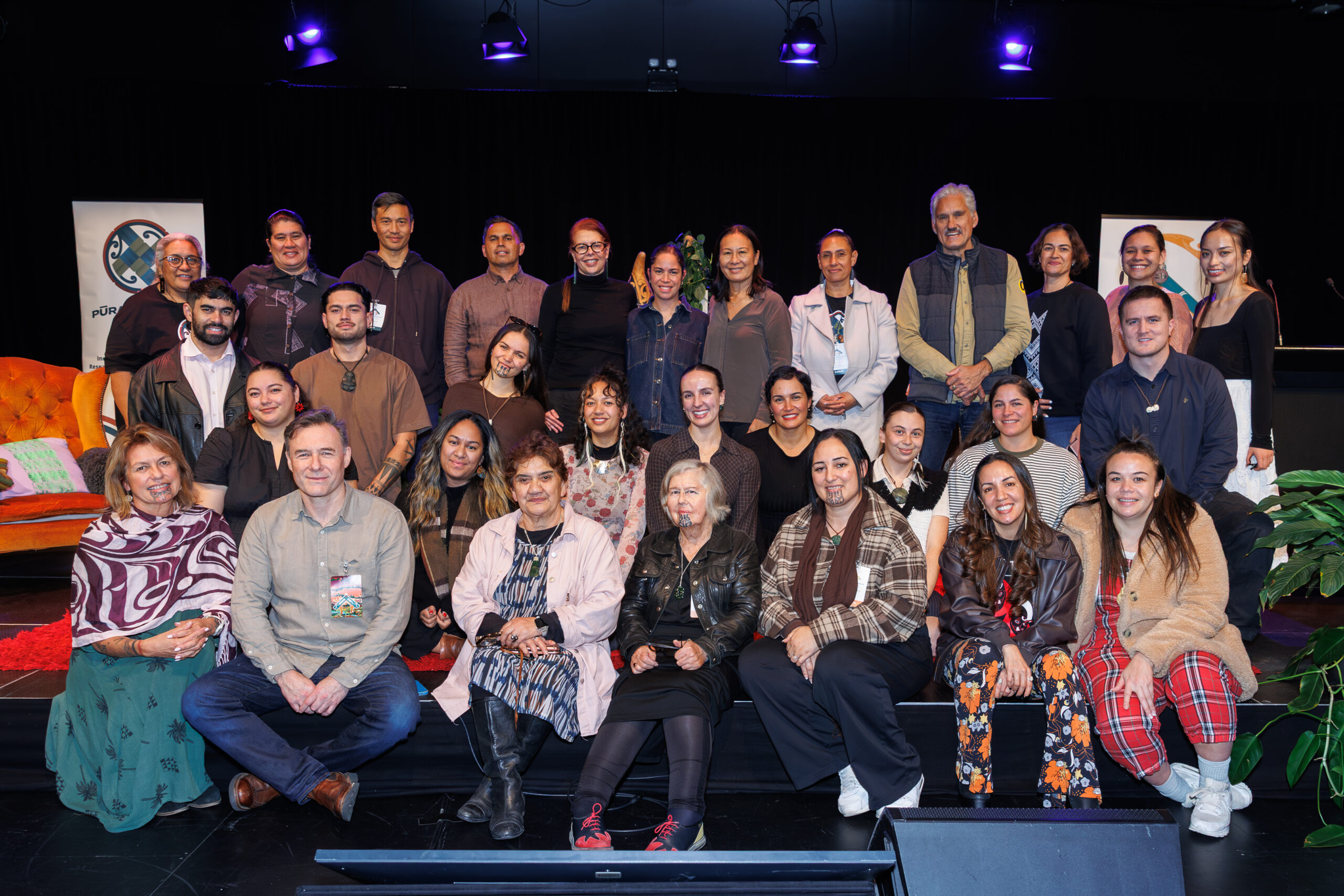
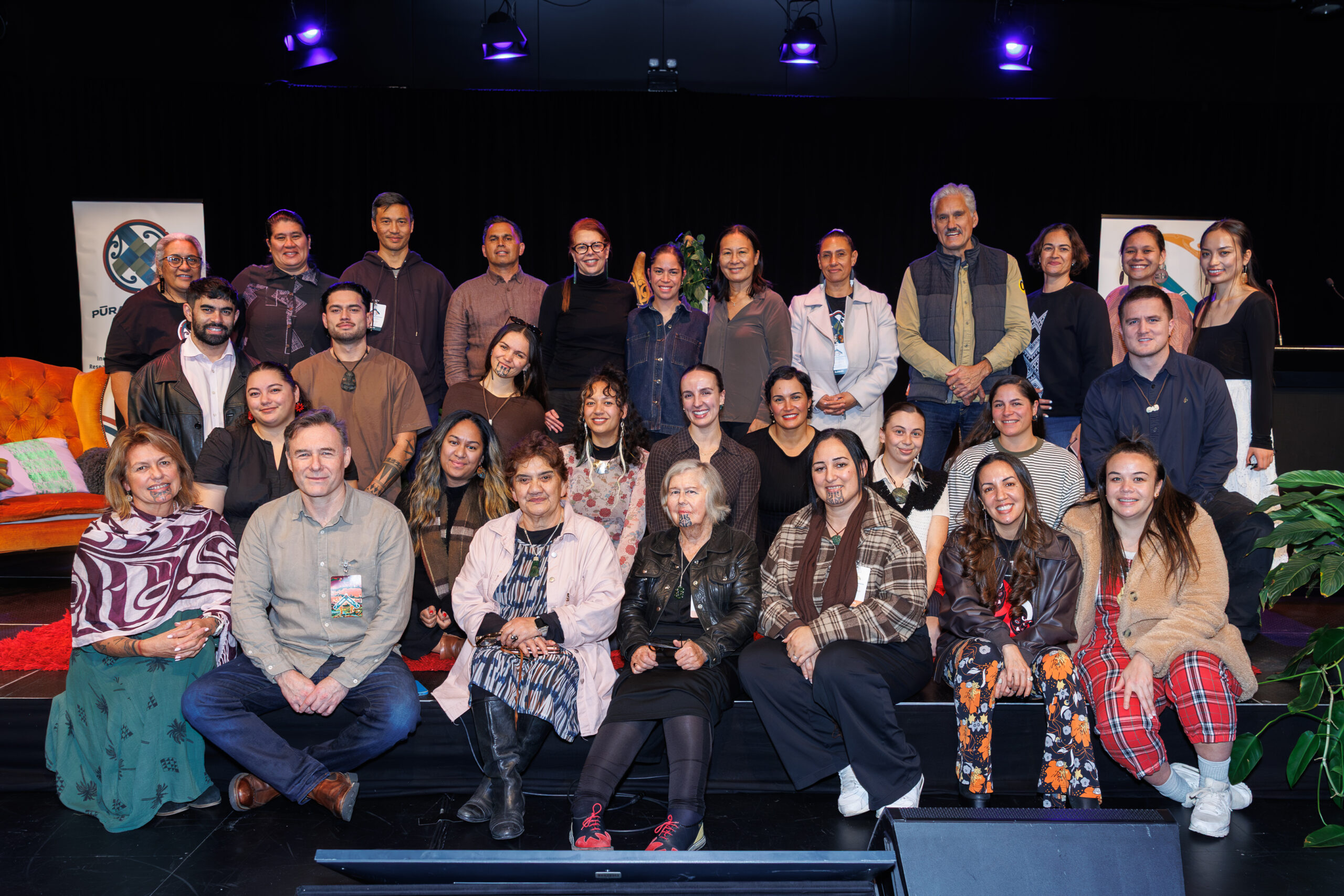
Gen K research team pictured from left to right: Bernadette Lee Te Young, Liliana Clarke, Stephen Lee, Eruera Lee-Morgan, Dr Catherine Mitchell, Maia Ratana, Prof. Jenny Lee-Morgan, Luana Abraham, Prof. Rau Hoskins, Jolene George, Caitlyn Te Moana, Escence Kingi Williams, Rhieve Grey, Dallas Cherrington, Rāhiri Mākuini, Lani Rotzler-Purewa, Ariana Hond, Pania Newton, Rosa Hibbert-Schooner, Karamea Ratana, Mātangireia Yates-Francis, Prof. Mera Penehira, Hanna-Marie Monga, Prof. John Reid, Jacqueline Paul, Emeritus Prof. Ella Henry, Dr Diane Menzies, Irene Farnham, Assoc. Prof. Shiloh Groot, and Dr Annie Te One.