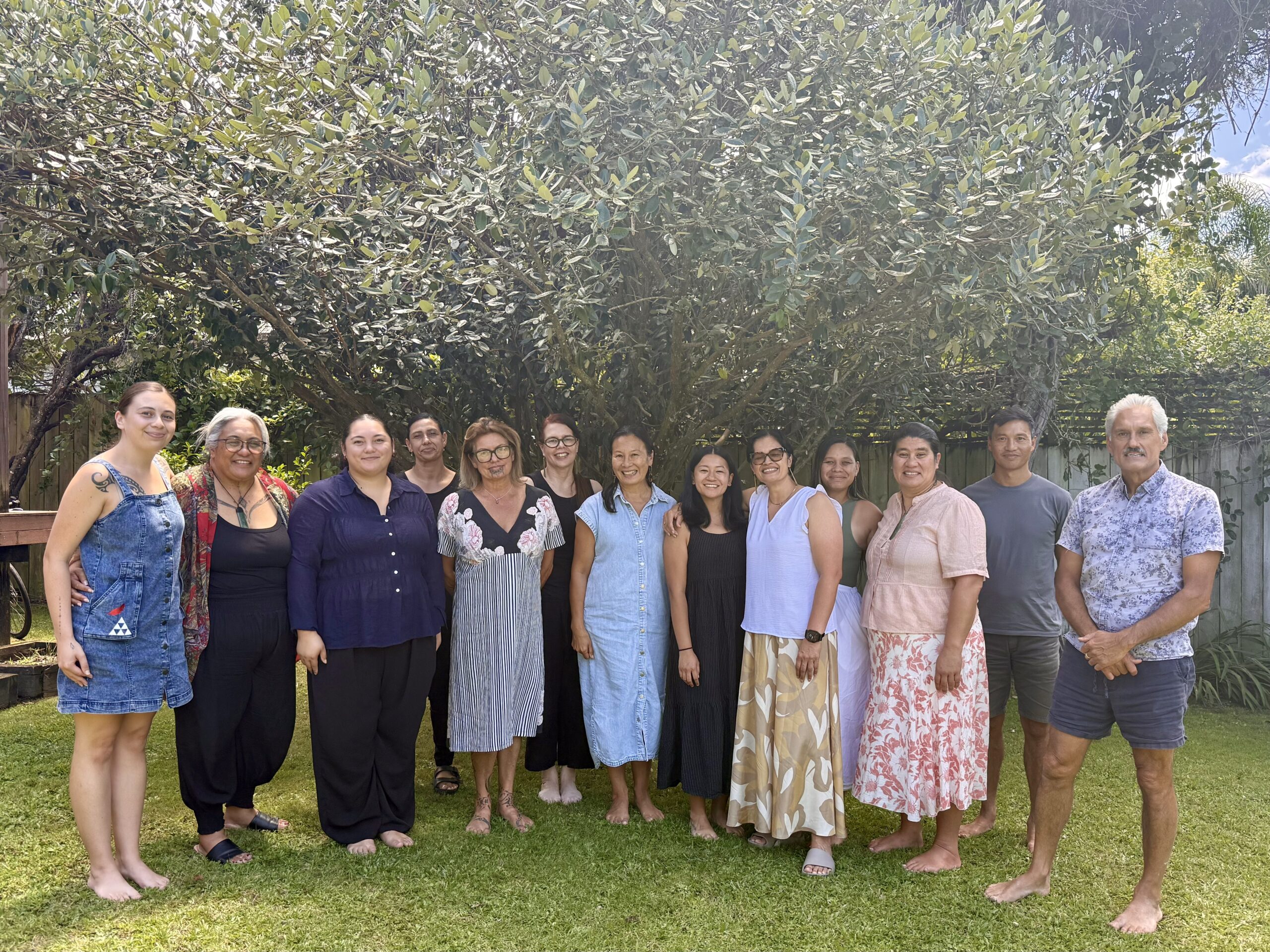
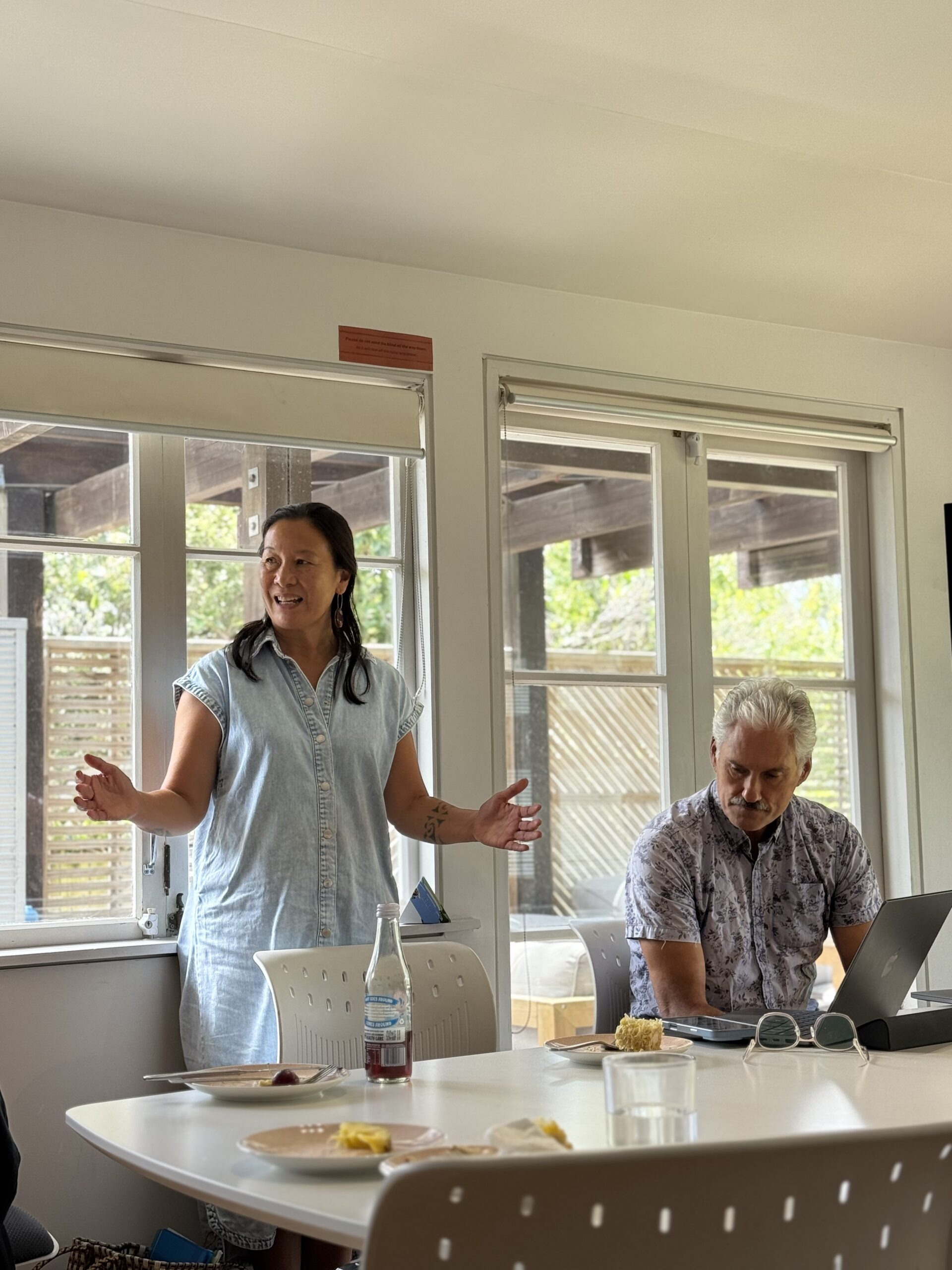
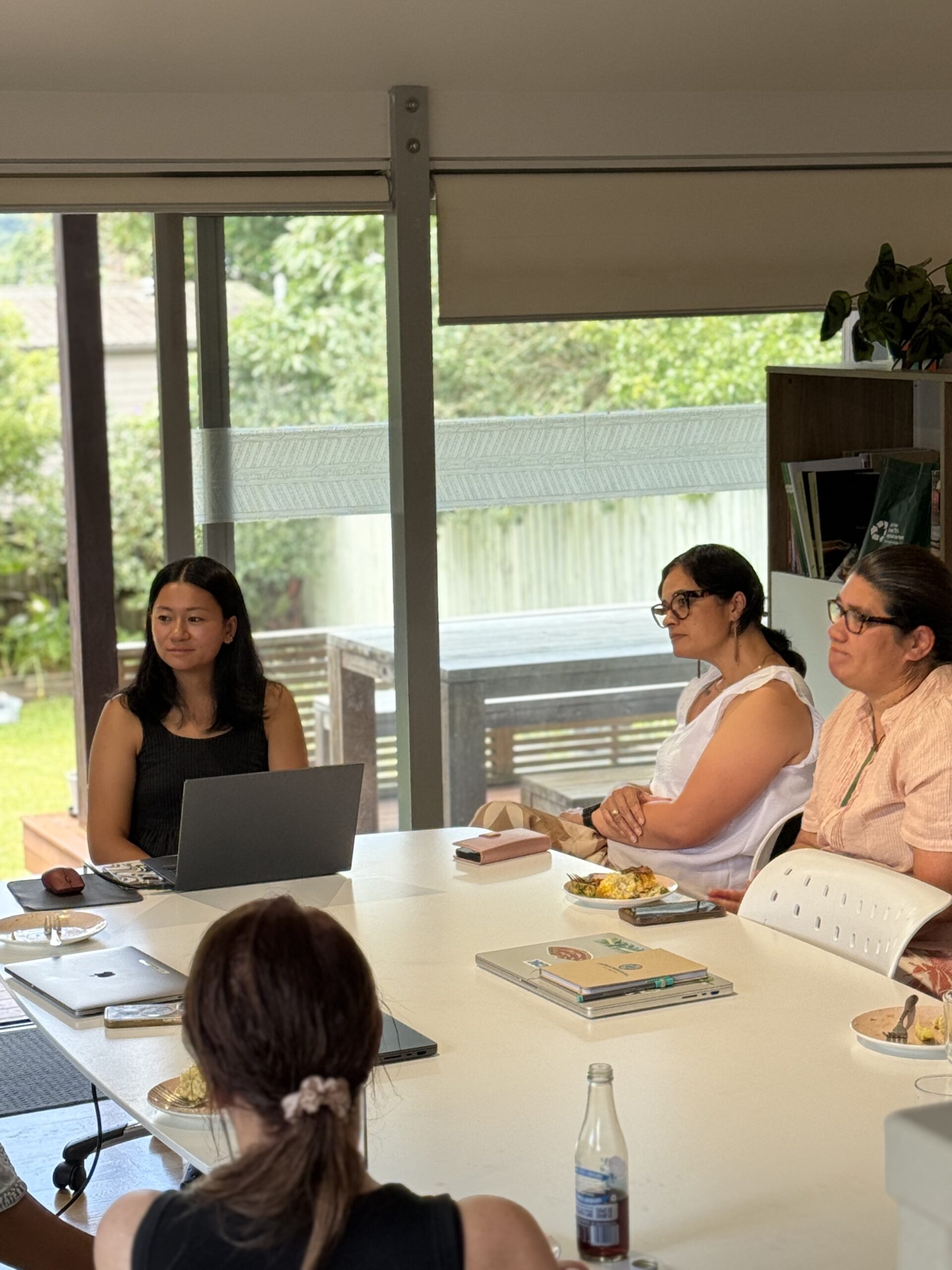
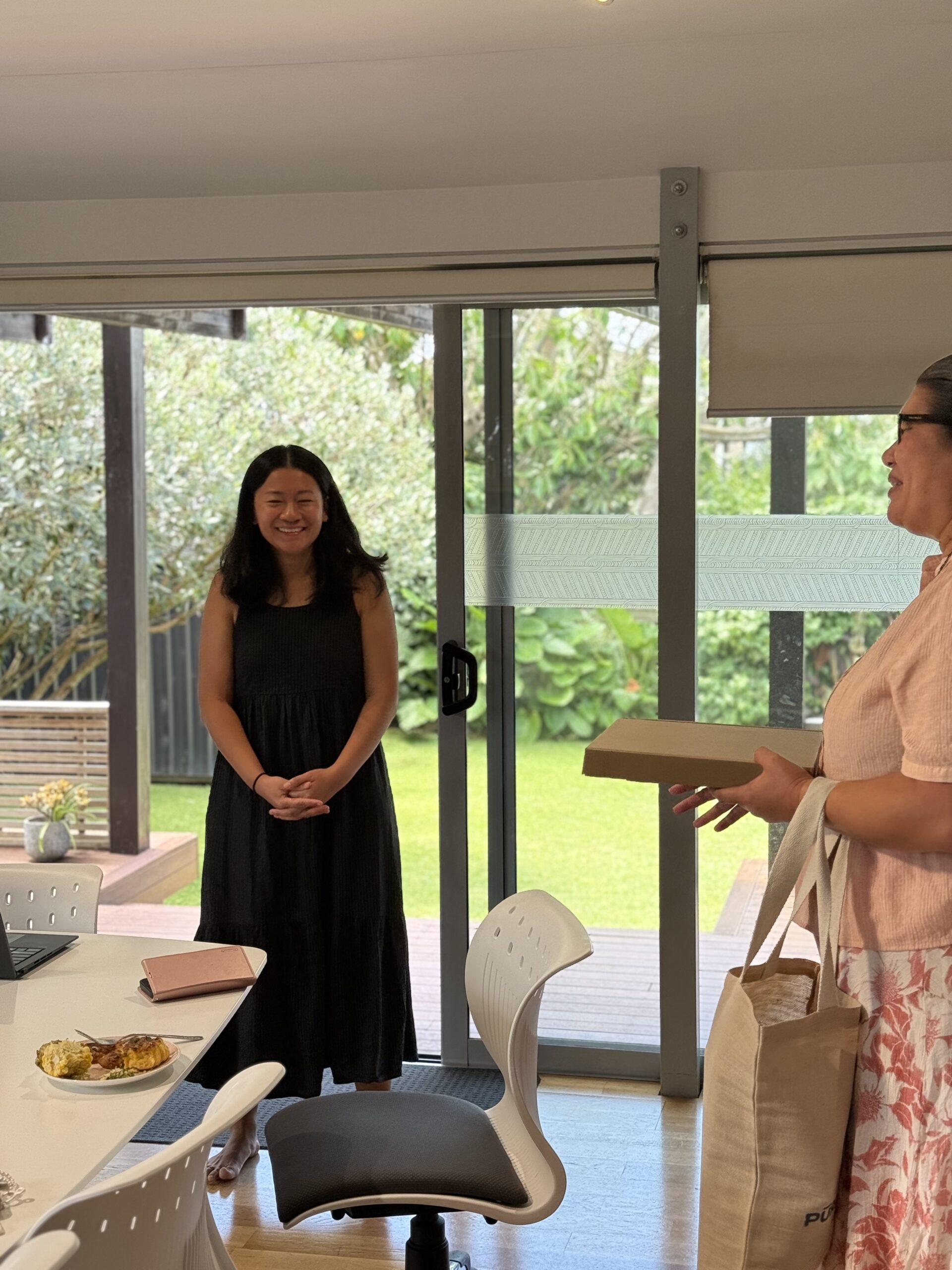
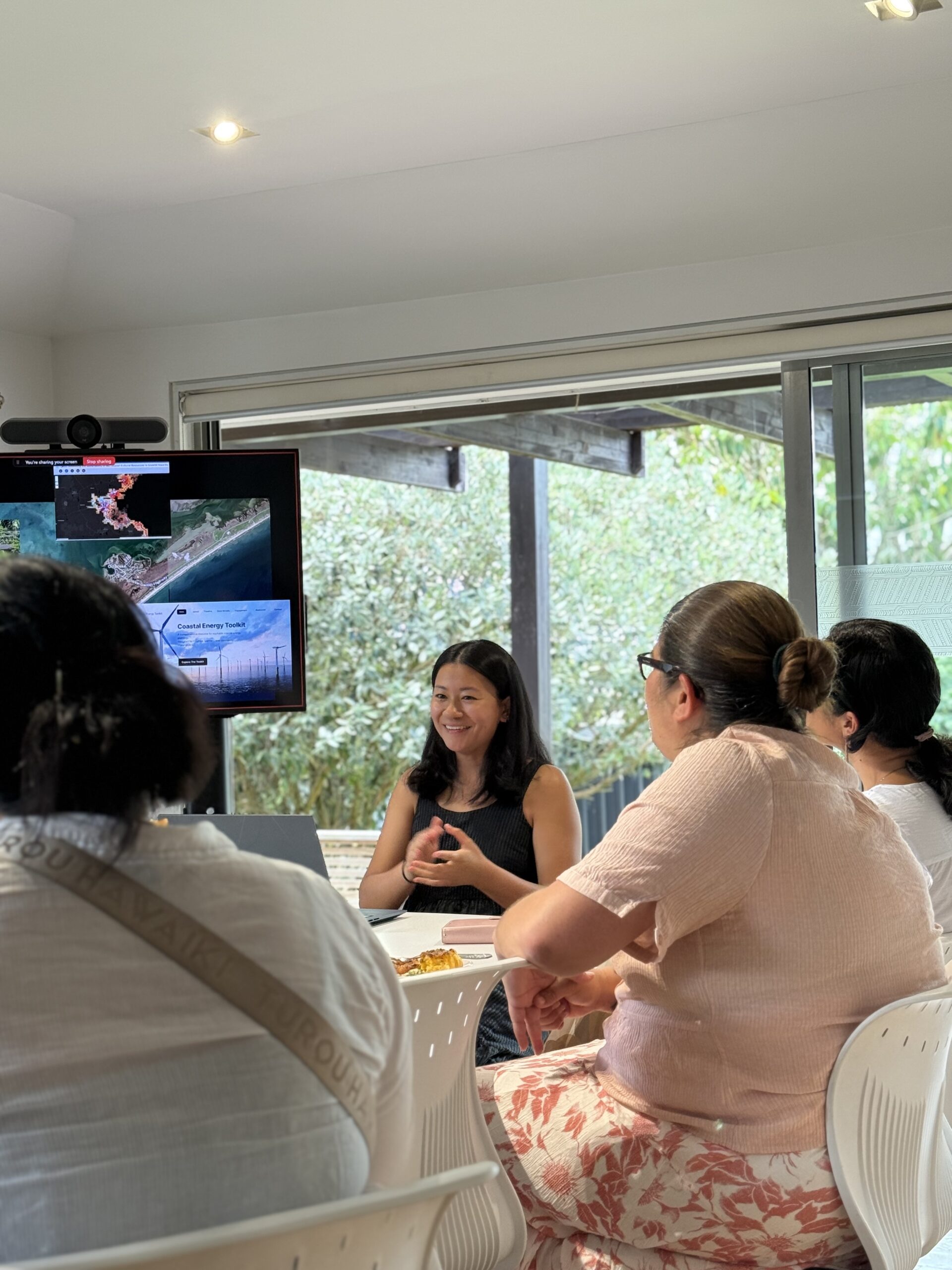
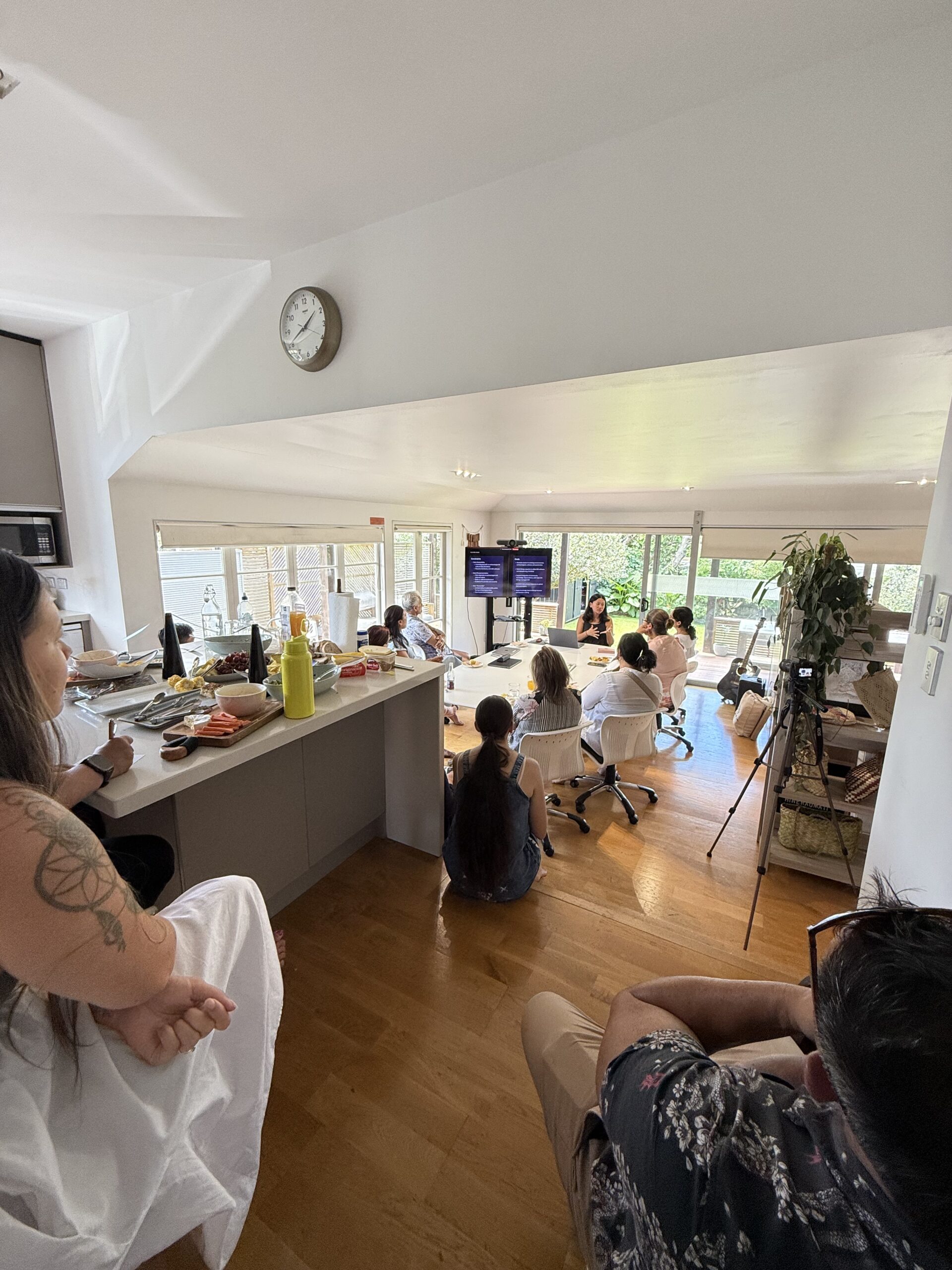
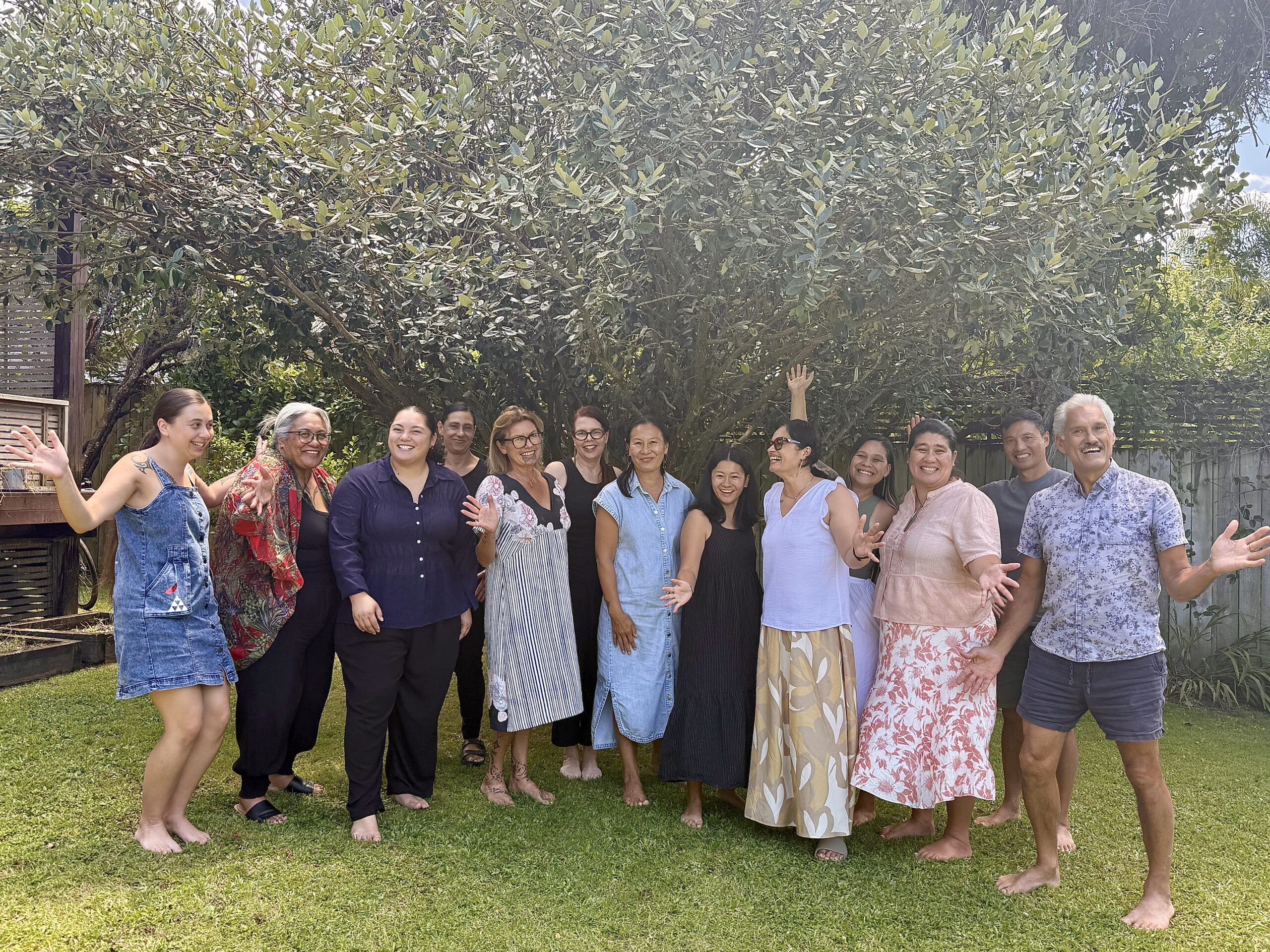
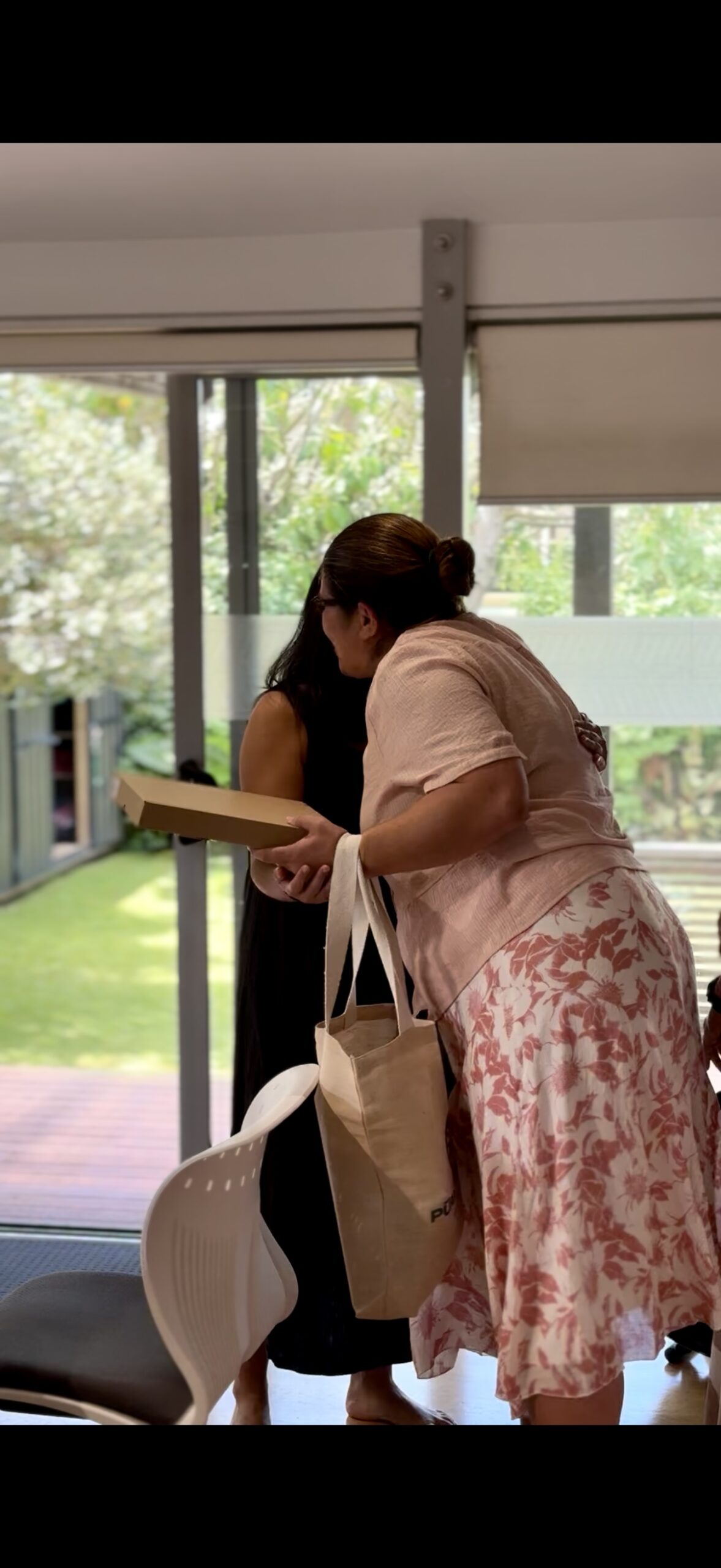
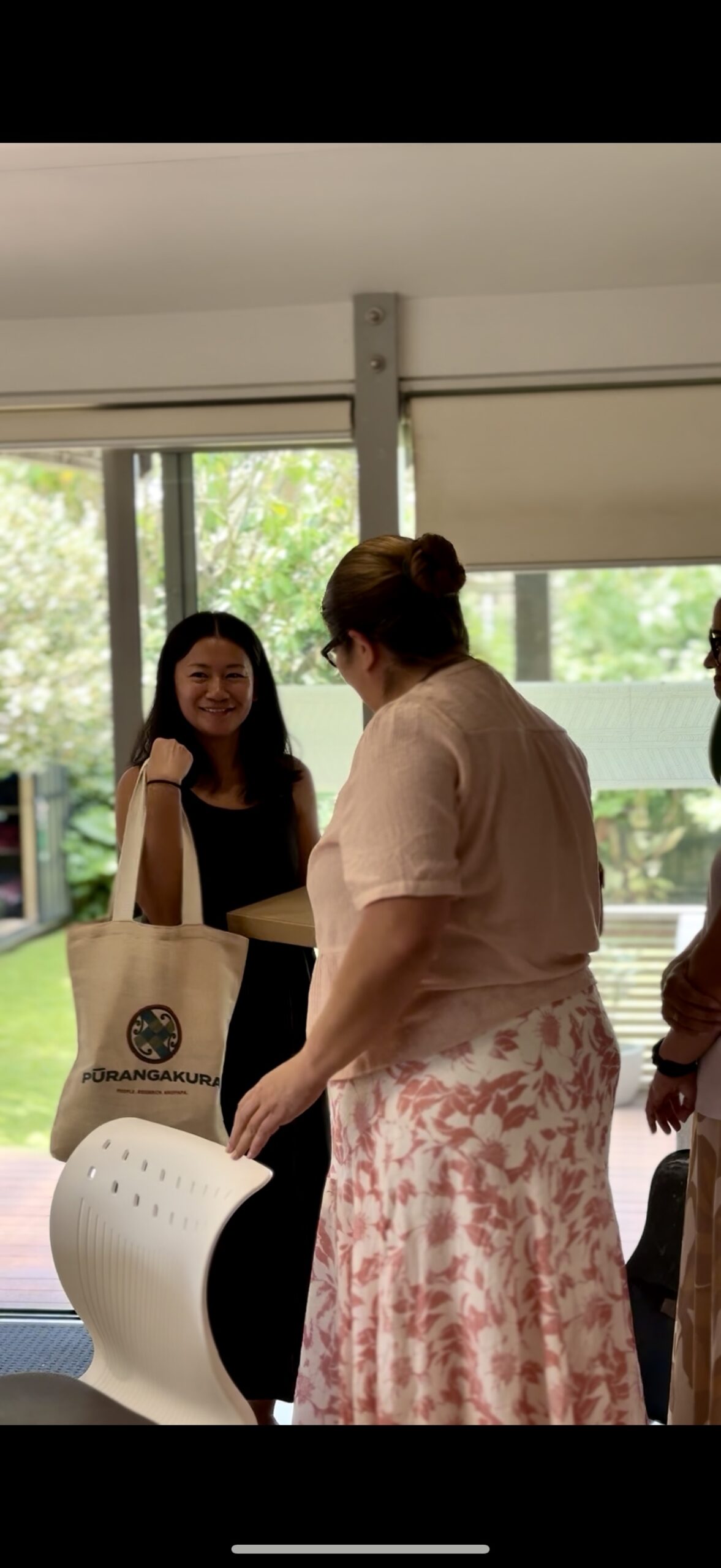
In early January, Pūrangakura welcomed Hannah to our kaupapa as a summer intern visiting from Massachusetts Institute of Technology in Boston, USA. Hannah came with a strong grounding in community-aligned research, bringing recent experience in cultural GIS mapping, engagement with Indigenous peoples and research on wind energy development and its impacts on coastal environments and coastal peoples.
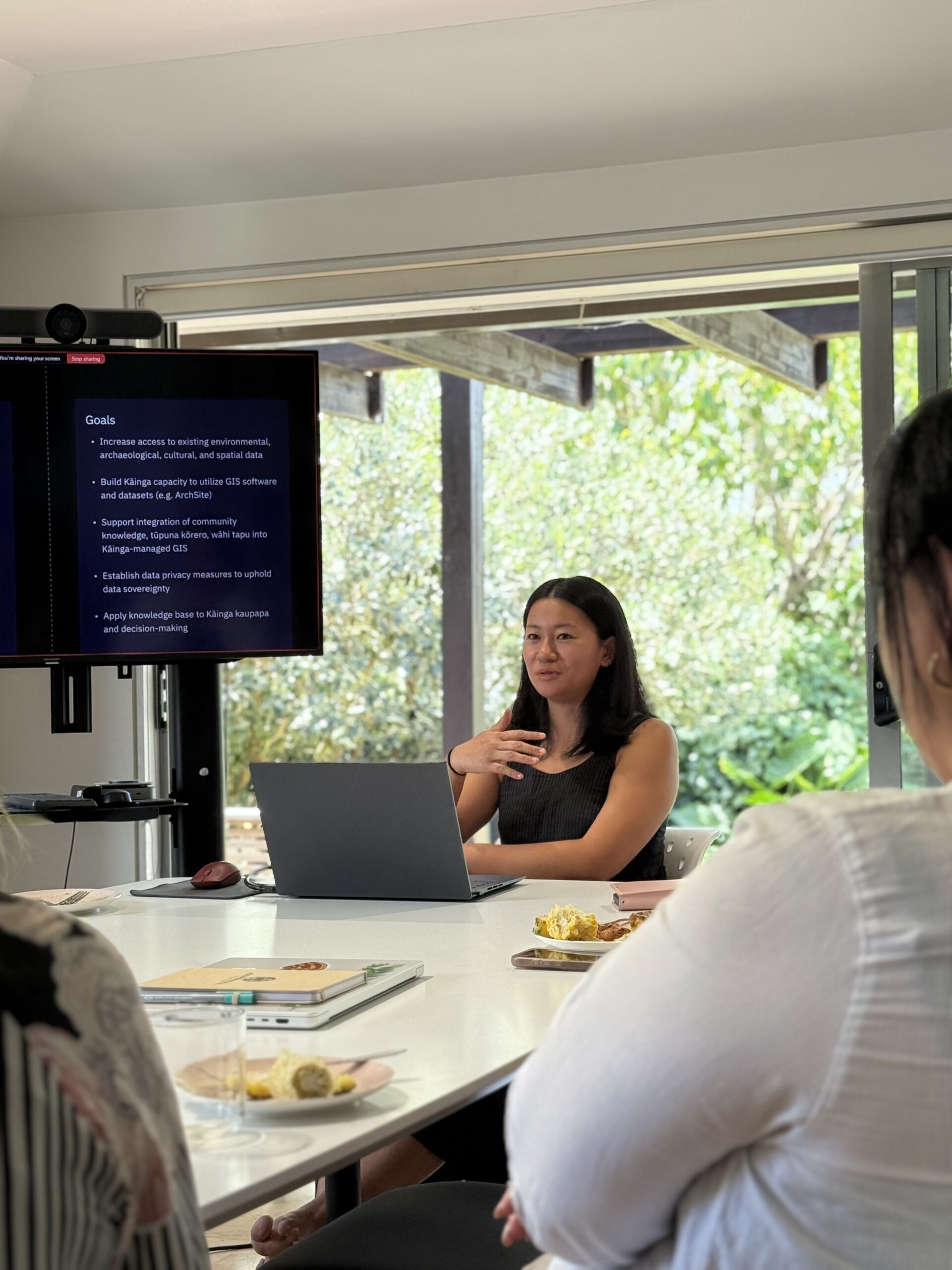
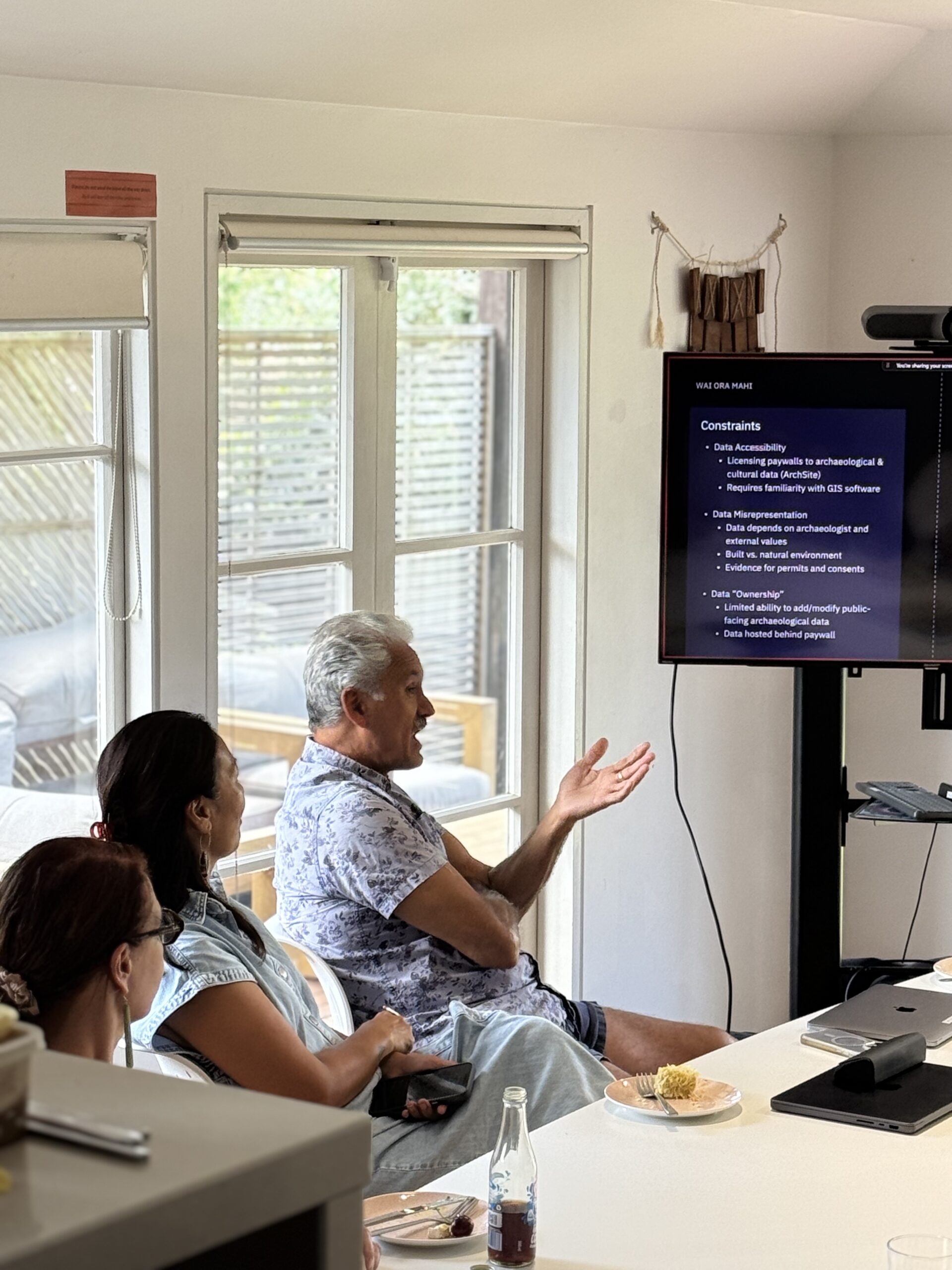
Hannah joined Pūrangakura at a pivotal moment in the Wai Ora, Kāinga Ora project where we are strengthening pathways for kāinga to access, understand, and protect their takiwā. Her internship focused on archaeological data held by external institutions, and the access challenges this presents for Māori communities seeking to care for their whenua, repo, and awa.
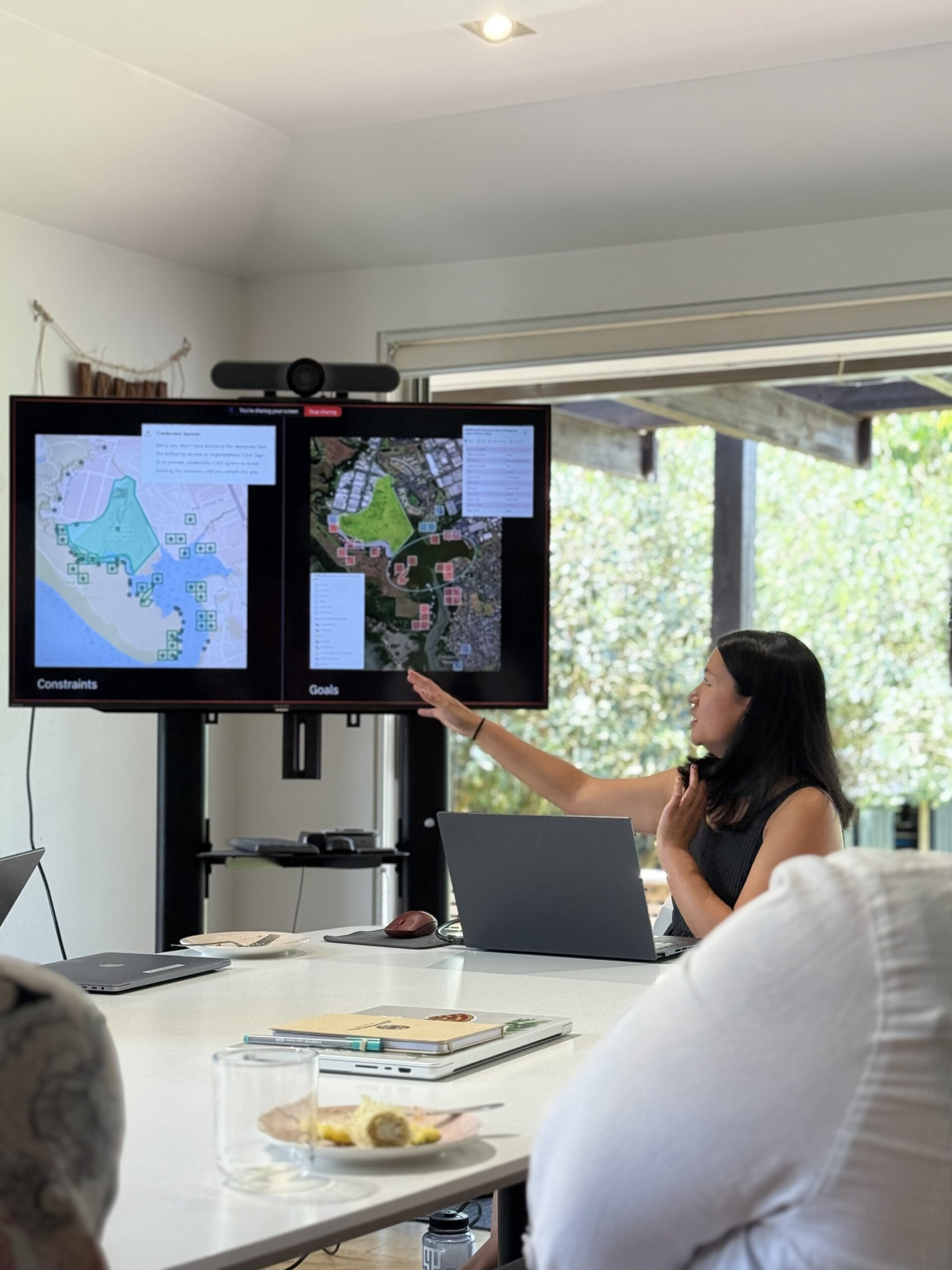
A key part of Hannah’s work was researching and setting up archaeological data currently held by archaeological societies, with the priority being to make this information accessible to our kāinga. This work highlighted how systems designed outside of Māori communities often create barriers to access, limiting the ability of whānau, hapū, and iwi to know what information exists about their own lands, let alone use it to inform decision-making.
Beyond accessing the data, Hannah worked alongside our team to explore methods for enriching existing archaeological datasets with cultural information held by kāinga themselves. This included considering how mātauranga Māori, kōrero tuku iho, and lived knowledge of place can sit alongside and strengthen baseline archaeological records, rather than being treated as separate or secondary. This approach aligns closely with the commitment of Pūrangakura to research that is by, for, and with Māori, and that recognises and upholds Māori knowledge systems.
This data access and enrichment process is foundational to our wider regeneration work, supporting the development of holistic plans for repo and awa restoration, and strengthening the ability of kāinga to engage confidently with development and consent processes. Hannah’s research clearly demonstrated how limited access to data directly impacts the ability of communities to protect their taonga, and how opening these systems can enhance capability, sovereignty, and collective decision-making.
We are grateful for the care, curiosity, and commitment Hannah brought to her time with us and wish her well as she continues her journey.
Kia ora, Hannah.